How to Choose the Right Furnace Repair Contractor in Calgary
When your furnace stops working during a Calgary cold snap, finding help quickly matters, but choosing the right contractor matters just as much. A rushed decision can lead to poor diagnostics, repeat repairs, unnecessary costs, or safety concerns that should have been caught the first time.
At Bow Valley Climate Management, we know most homeowners are not choosing
furnace repair companies every day. They are trying to make the best decision they can in a stressful situation. This guide walks through what to look for, what questions to ask, and what red flags to avoid so you can choose a furnace repair contractor with more confidence.
Why Choosing the Right Furnace Repair Contractor Matters
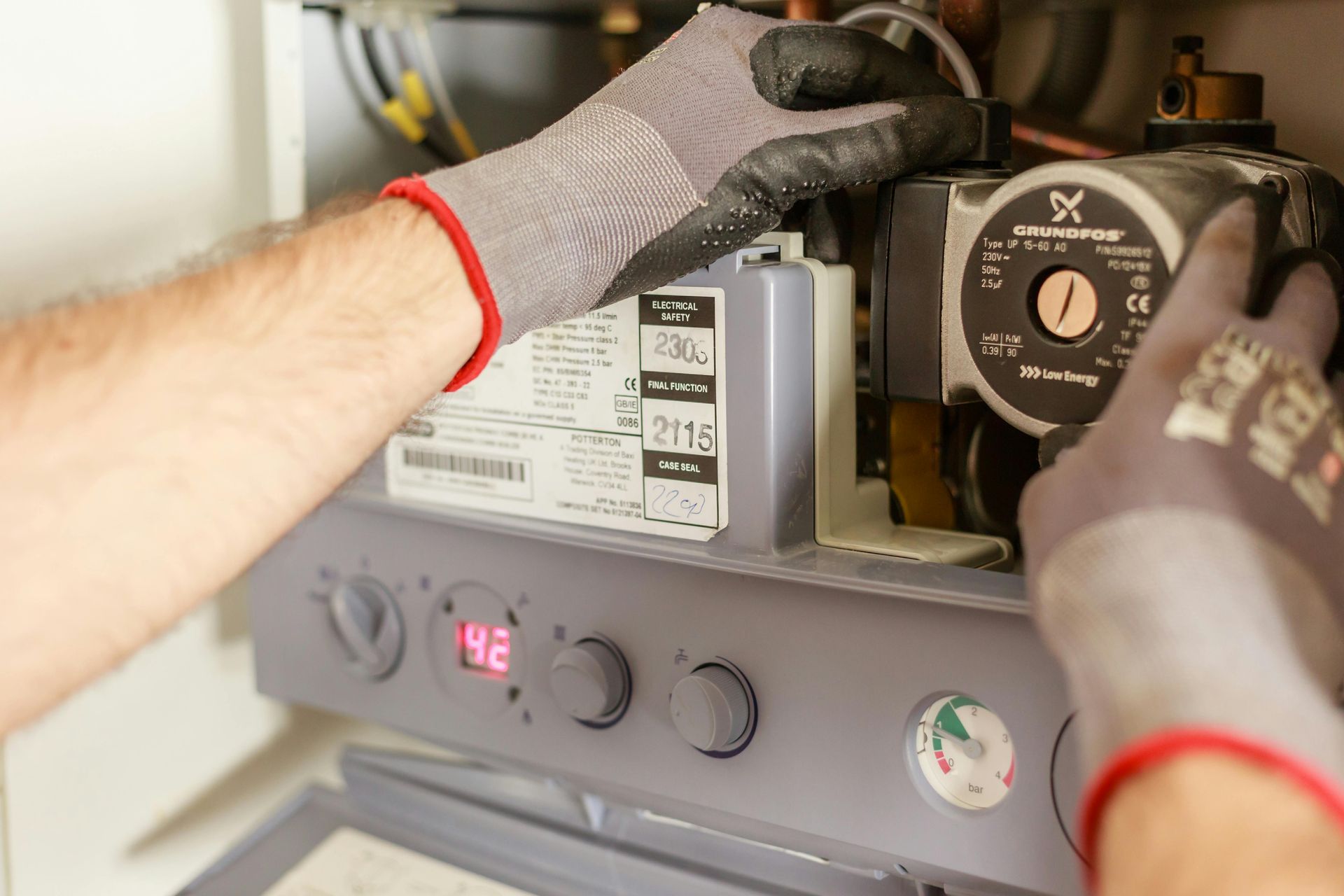
Calgary winters can put a lot of strain on residential heating systems. When a furnace goes down during colder weather, it is not just inconvenient. It can quickly become an urgent issue for comfort, safety, and even plumbing protection if indoor temperatures drop too low.
A good contractor does more than restore heat. They should be able to properly diagnose the issue, explain what failed, recommend the right next step, and complete the repair safely. One of the most frustrating situations for homeowners is paying for a repair that does not actually solve the root problem. That is why choosing the right furnace repair contractor matters from the start.
Look for Proper Qualifications and Real Furnace Repair Experience
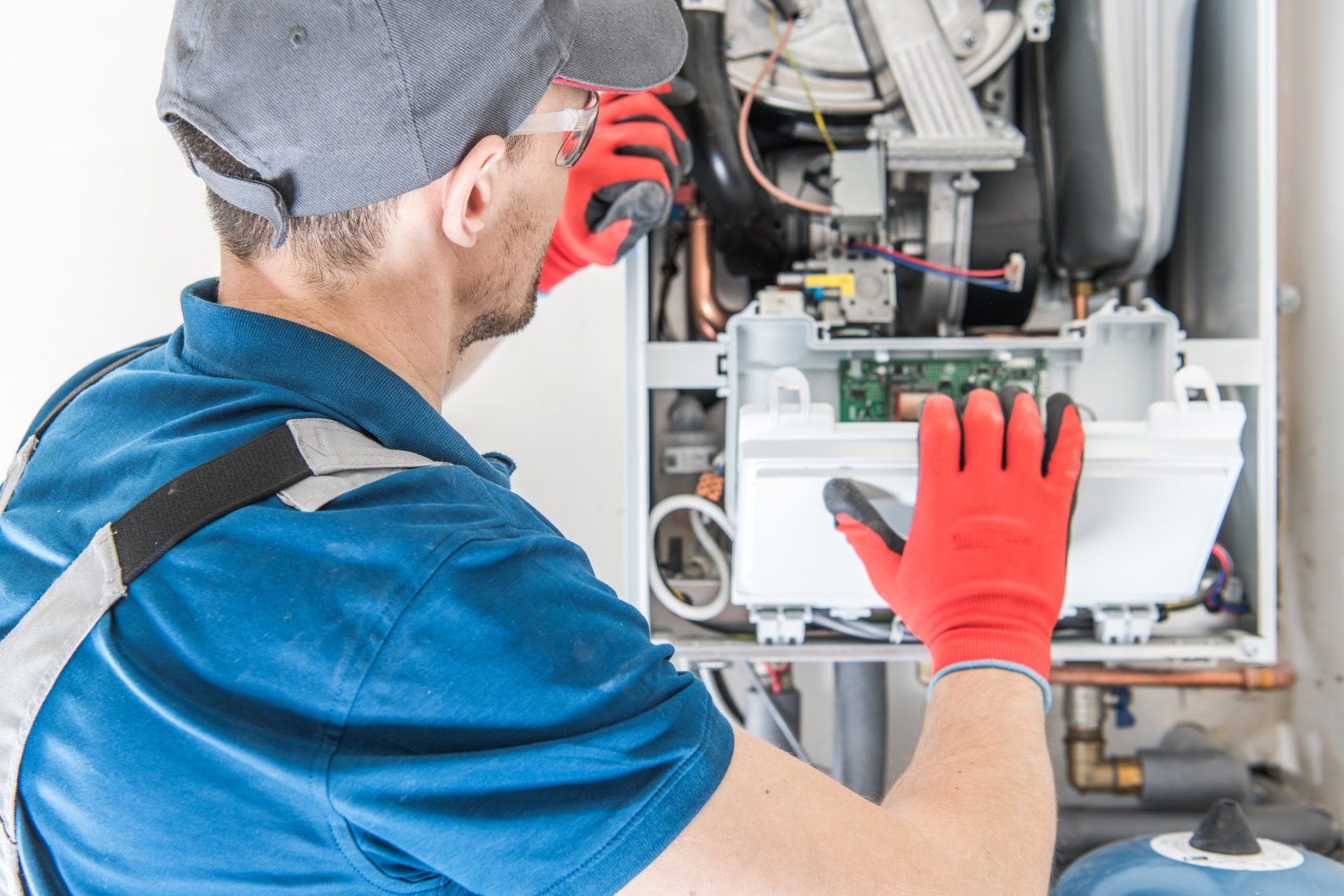
Furnace repair involves more than replacing a broken part. It can involve gas components, electrical systems, airflow, venting, ignition systems, heat exchangers, and safety controls. That means the company you hire should have the right training and real experience working on residential heating systems.
Why qualifications matter
A qualified contractor should understand how the entire furnace system works, not just how to replace a part. Proper diagnostics matter because a single issue can sometimes indicate a larger performance or safety concern elsewhere in the system.
What homeowners should ask
Before booking, it helps to ask a few direct questions:
- Do your technicians regularly work on residential furnace systems?
- Do you have experience with my type or age of furnace?
- Will you inspect the full system or only the immediate issue?
- Can you explain the likely cause before recommending a repair?
These questions can help you quickly tell the difference between a company that is thorough and one that is simply trying to rush through service calls.
Check Reviews, but Focus on Patterns Instead of Perfect Ratings
Online reviews can be useful, but they are most helpful when you look beyond the star rating itself. A long list of generic five-star reviews is not always as informative as a smaller number of detailed reviews that talk about the customer experience.
What strong reviews usually reveal
Look for repeated mentions of:
- Clear communication
- Accurate arrival windows
- Honest recommendations
- Respectful service in the home
- Fair pricing explanations
- Repairs that actually solved the problem
These are the kinds of signals that often tell you whether the company is dependable when things are urgent.
Why review responses matter too
It is also worth checking how the company responds to reviews. Businesses that take the time to reply professionally to feedback often take customer service more seriously overall. That does not guarantee a perfect experience, but it can tell you a lot about how they handle communication and accountability
Make Sure Emergency Furnace Repair Means Real Support
Many HVAC companies advertise emergency service, but homeowners should confirm what that actually means in practice. During winter, a furnace issue can become serious quickly, especially when children, older adults, or plumbing concerns are involved.
Questions to ask about emergency service
Before booking, ask:
- Do you offer same-day or after-hours furnace repair in Calgary?
- How quickly do you usually respond during colder high-demand periods?
- Will I receive an arrival window?
- Is there anything I should do while waiting for the technician?
Why realistic communication matters
A trustworthy contractor should be direct about timing and availability. During major cold snaps, demand can spike. Honest communication about wait times is often more valuable than broad promises not backed by realistic scheduling.
Ask for Clear Diagnostics Before You Approve the Repair
One of the biggest red flags in furnace repair is when a homeowner is given a price without a clear explanation of the actual problem. A good furnace repair contractor should be able to explain what failed, why it failed, and whether the issue appears isolated or part of a bigger system problem.
What a good diagnostic process should include
A proper diagnostic process should help you understand:
- What the issue is
- What caused it
- Whether the repair is expected to fully solve the problem
- Whether there are any related concerns to keep an eye on
What a written estimate should include
A written estimate should be more than just a number. It should clearly outline:
- The diagnosed issue
- The recommended repair
- Parts and labour details
- Any additional findings
- Whether the repair is considered a short-term or a longer-term solution
That level of clarity helps homeowners make informed decisions rather than feeling pressured to approve work they do not fully understand.
Warranty and Service Guarantees
Warranties and service guarantees add confidence to any furnace repair. Coverage may include parts, labour, or quality. Strong guarantees reflect a contractor’s commitment to quality and accountability.
Experience and Expertise You Can Rely On
Choosing the right furnace repair contractor in Calgary comes down to experience, credentials, reputation, and transparency in service. These factors support safer operation, better efficiency, and dependable comfort throughout the heating season.
For professional furnace repair backed by certified technicians and trusted local service,
contact BVCM to schedule an appointment.
Read More From BVCM