How Ductwork Affects HVAC Efficiency, Airflow, and Comfort
A room that always feels colder than the rest of the house, weak airflow from certain vents, or rising energy bills can often trace back to what’s hidden behind the walls, under the floor, and above the ceiling.
Ductwork plays a vital role in how air moves through your home, influencing comfort and system performance.
Why Ductwork Matters in HVAC Performance
Ductwork acts as the delivery system for heated and cooled air. When it functions properly, air reaches each room at the right temperature and volume. Well-designed ducts support balanced airflow, helping your HVAC system operate efficiently.
When airflow remains consistent, the system avoids unnecessary strain and maintains steady indoor temperatures.
What Ductwork Does in a Heating and Cooling System
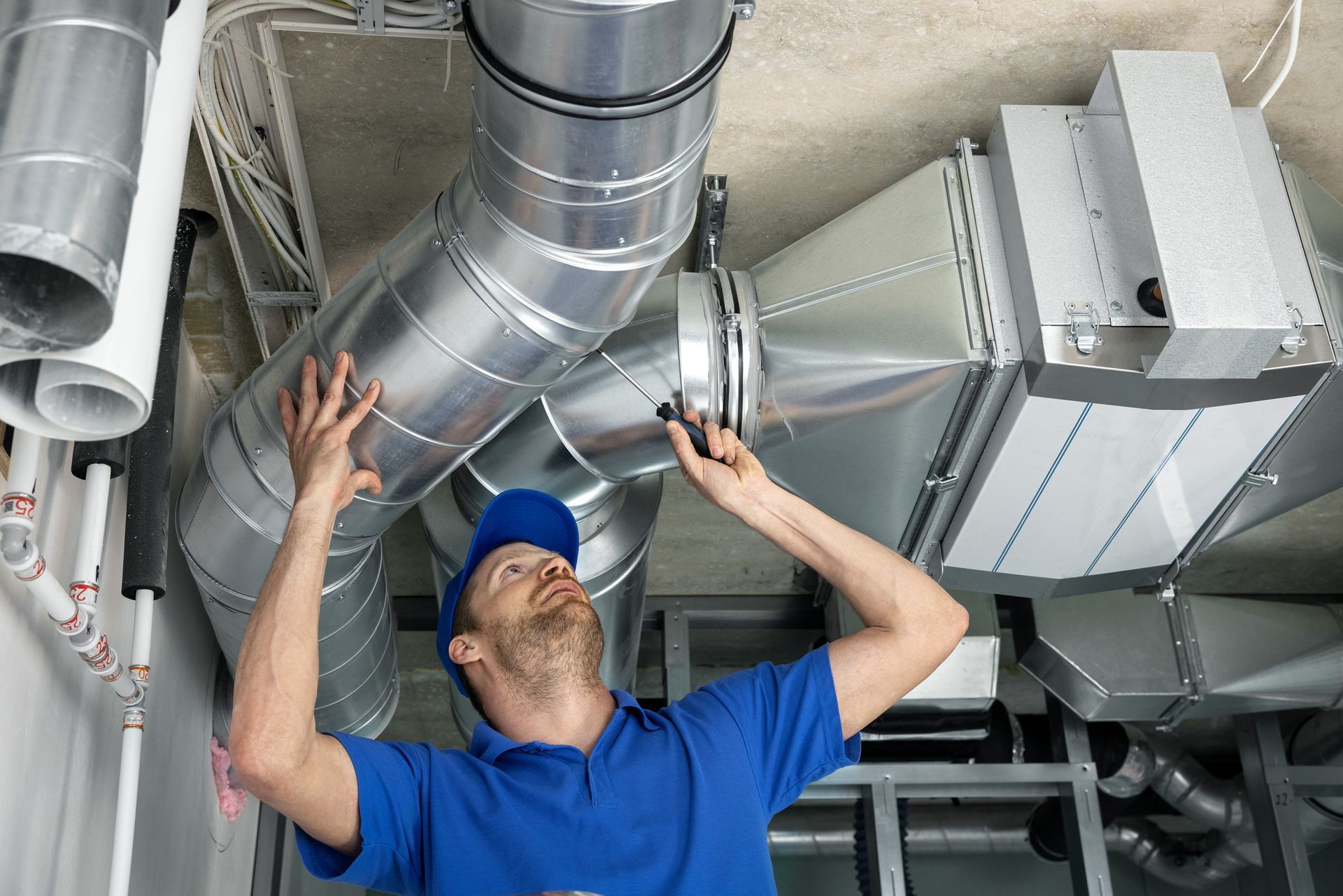
Ductwork connects your furnace and air conditioner to the living space throughout your home. It moves conditioned air from the equipment to supply vents and returns air via return ducts for reconditioning.
This continuous cycle allows your HVAC system to:
- Distribute warmed or cooled air evenly throughout the home
- Maintain consistent indoor temperatures
- Regulate airflow based on system demand
The right duct size and layout help air reach every room without strain. When ducts fit the home properly, airflow stays steady and even.
How Poor Ductwork Reduces Efficiency and Airflow
Duct issues can restrict airflow and make your HVAC system work harder to maintain steady temperatures. Air can also escape through leaks or poorly insulated sections, causing energy loss.
Efficiency impacts can include:
- Loss of heated or cooled air before it reaches occupied areas
- Reduced airflow that limits system performance
- Increased runtime as the system works to reach the desired temperature
Common Ductwork Problems That Affect Comfort
Several duct-related issues can create noticeable temperature differences between rooms and reduce comfort. Some of the most frequent problems involve:
- Leaky ducts that allow air to escape before reaching rooms
- Blocked or restricted ducts caused by debris or poor design
- Poor insulation that allows heat loss or gain along duct pathways
- Improper sizing that leads to uneven airflow between rooms
Signs Your Ductwork May Need Attention
Changes in comfort and system performance often point to underlying ductwork concerns.
Some signs to watch for include:
- Uneven temperatures between rooms
- Weak airflow from vents
- Higher than expected energy bills
- Excessive dust or poor indoorair quality
- Noises from the ductwork during operation
A professional inspection can help identify the source of these issues and determine the appropriate solution.
Why Proper Ductwork Supports Better HVAC Performance
Well-designed, well-maintained ductwork helps your HVAC system deliver steady airflow and consistent comfort.
When ducts stay sealed, insulated, and properly sized, your system can run efficiently and keep temperatures even throughout the home.
Better Airflow, Better Comfort, Better Performance
Professional ductwork evaluation and service can help improve comfort, reduce energy use, and support long-term HVAC performance.
Calgary homeowners:
get in touch with the experts at BVCM to schedule an assessment and ensure your duct system is working at its best for your comfort and peace of mind.
Sources:
https://www.energystar.gov/ia/new_homes/features/DuctSystems_062906.pdf
https://www.carrier.com/residential/en/ca/homeowner-resources/hvac-glossary/ductwork/
Read More From BVCM