Central AC vs Heat Pump in Calgary: Which Cooling System Is Right for Your Home?
If you are comparing central AC vs heat pump options for your Calgary home, the first thing to know is that both systems can cool your home. The bigger difference is what else you want the system to do.
A central air conditioner is designed for cooling. A heat pump can cool your home in the summer and provide heating support during milder parts of the year. For Calgary homeowners, the right choice depends on your current furnace, ductwork, budget, comfort goals, and how much value you place on year-round efficiency
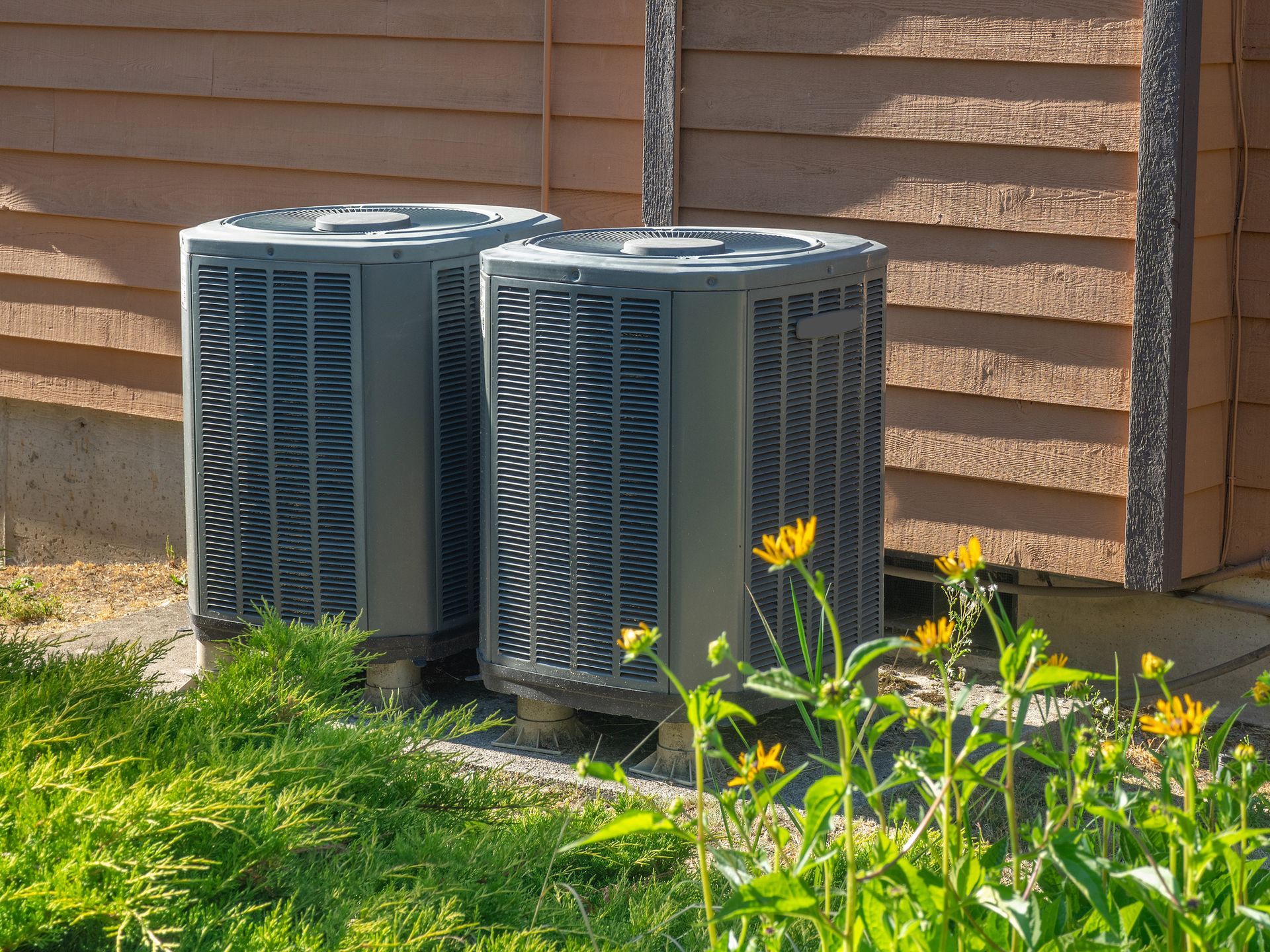
How Central AC Works
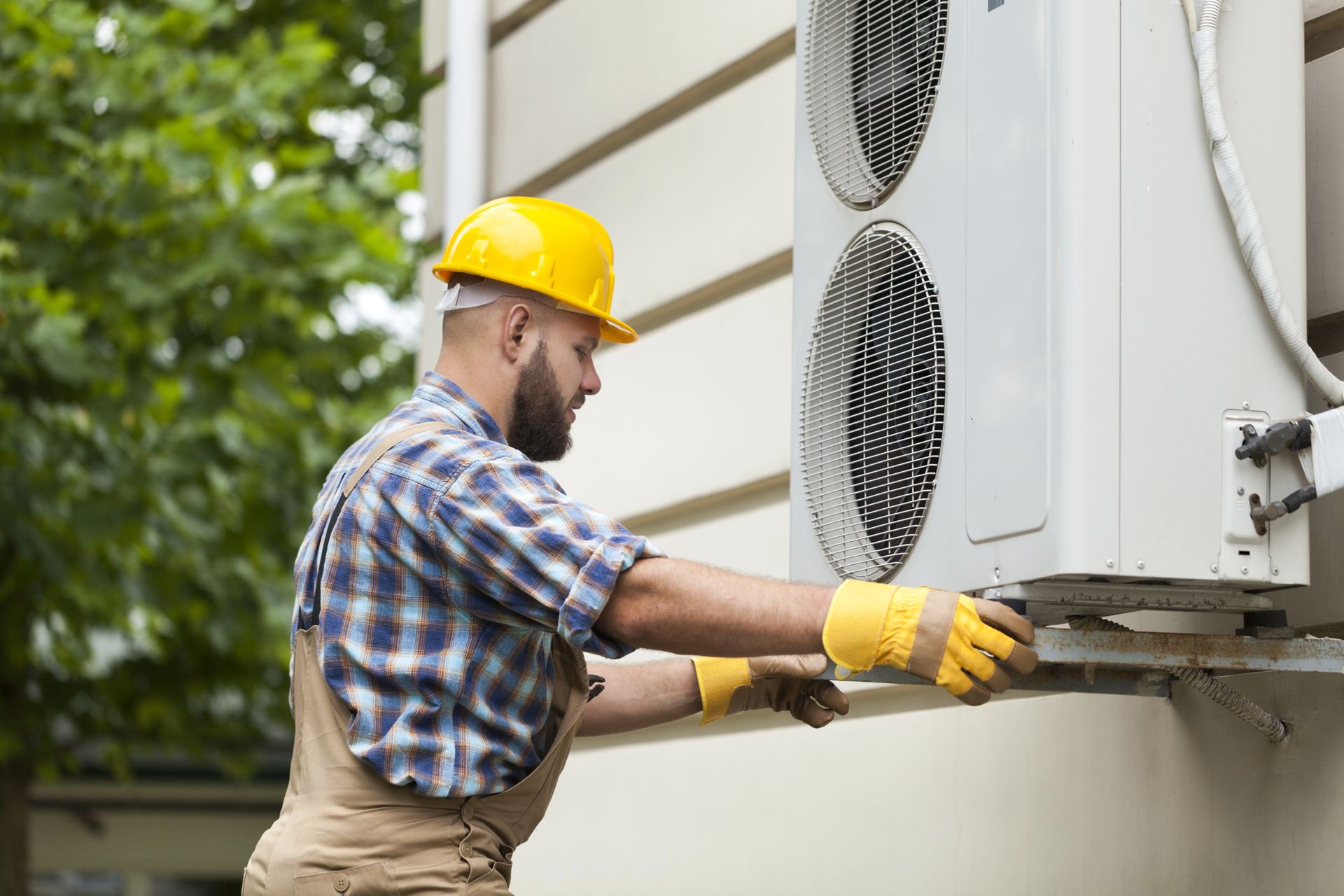
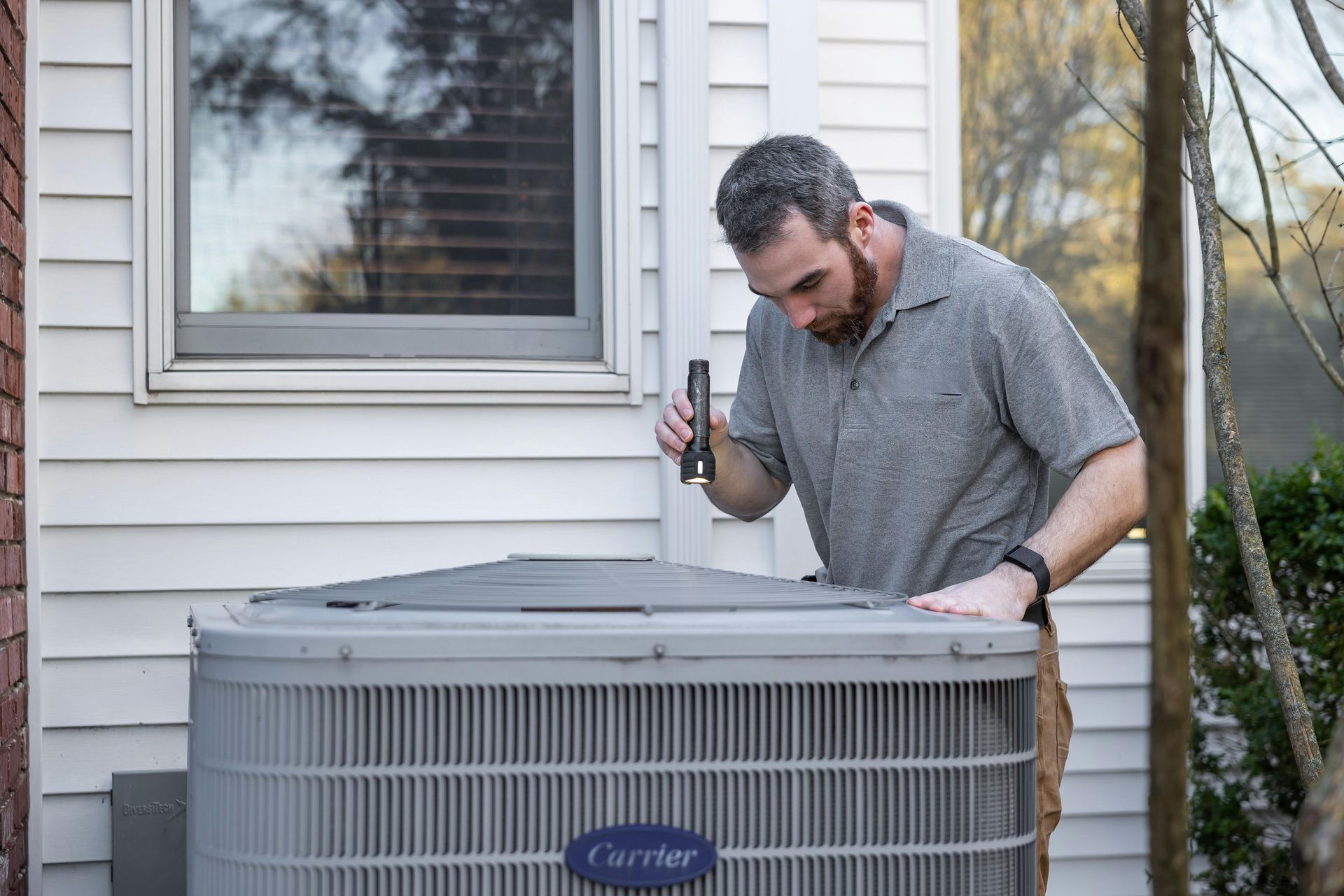
Central air conditioning is the more traditional cooling option. It connects to your existing ductwork and works with your furnace blower to move cooled air throughout the home. For many Calgary homes with a forced-air furnace already in place, central AC is a straightforward upgrade. It is built for summer comfort, performs well during hot stretches, and is usually easier to understand from a budgeting and installation standpoint.
The limitation is that the central AC only cools. Once temperatures drop, your furnace takes over completely.
How a Heat Pump Works
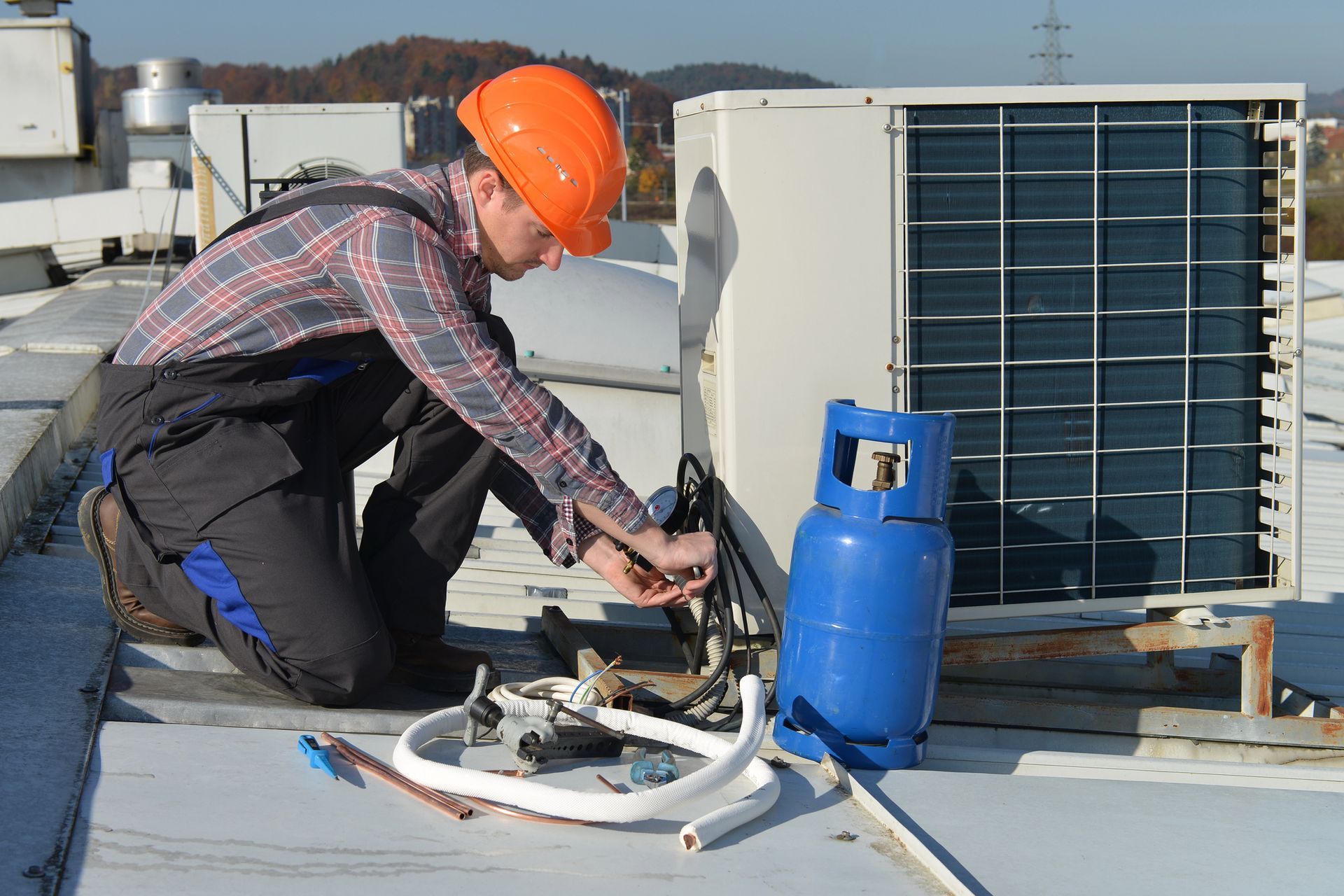
A heat pump looks similar to an outdoor AC unit, but it works differently. In summer, it removes heat from inside your home just like an air conditioner. In cooler weather, it reverses operation and pulls heat from the outdoor air to help warm your home.
That makes a heat pump appealing if you want one system that supports both cooling and heating. In Calgary, though, it is important to be realistic. Heat pumps can be efficient, but extreme cold can reduce their output. Many homes still need a furnace or backup heat source for the coldest winter days.
Cooling Performance in Calgary
For summer cooling, both systems can do the job when properly sized and installed. The key is not just choosing AC or a heat pump. It is choosing equipment that matches your home. An oversized system may short cycle and struggle with humidity control. An undersized system may run constantly and still fail to keep up. Ductwork, airflow, insulation, window exposure, and thermostat setup all matter.
That is why a proper HVAC assessment is more useful than choosing based on equipment type alone.
Cost and Efficiency Considerations
Central AC usually has the lower upfront cost if your home already has usable ductwork and a compatible furnace. It is often the practical choice when your main goal is reliable cooling.
A heat pump may cost more upfront, but it can reduce how often your furnace runs during milder heating conditions. That can make sense for homeowners thinking beyond summer comfort and looking at long-term energy use.
The best value depends on your home, your current equipment, utility costs, and how the system will actually be used.
Which Option Makes More Sense?
Central AC may be the better fit if you want dependable summer cooling, already have a forced-air furnace, and are looking for a simpler installation.
A heat pump may make sense if you want efficient cooling plus heating support, are planning a larger HVAC upgrade, or want to reduce reliance on your furnace during shoulder seasons.
For Calgary homes, the most important advice is this: do not treat a heat pump as a one-size-fits-all furnace replacement without reviewing the full system. Cold-weather performance, backup heat, ductwork, electrical requirements, and controls all need to be considered.
If you are deciding between central AC and a heat pump, BVCM can assess your home, explain your options clearly, and recommend a system based on comfort, efficiency, and long-term performance. Learn more about our
HVAC Installation & Servicing options.
Read More From BVCM