How Calgary Weather Affects Your Air Conditioner
Calgary summers can put your air conditioner through more than just hot weather. Long sunny days can be followed by sharp temperature drops, while dust, wildfire smoke, spring debris, hail, and sudden storms can all affect how your cooling system performs. This weather affects air conditioners by changing how hard they need to work and what the outdoor unit and filtration system are exposed to. Heat increases cooling demand, while airborne debris can restrict airflow and dirty coils. Severe weather can also directly affect the outdoor condenser. Knowing how these local conditions affect your system can help you spot problems earlier and understand why regular maintenance matters before the hottest days arrive.
How Does Calgary's Summer Heat Affect Your Air Conditioner?
During a hot stretch, your air conditioner may run for longer periods to maintain the temperature you have set on your thermostat. That is not automatically a sign that something is wrong. A properly sized central air conditioner is designed to run longer when outdoor temperatures rise. However, the hotter it gets, the more important proper airflow, clean coils, refrigerant levels, and overall system condition become. If your air conditioner is already dealing with a dirty filter, restricted airflow, or another maintenance issue, it may have a much harder time keeping up once temperatures climb.
You should pay attention if your system:
- Runs continuously without reaching the thermostat setting
- Blows warmer air than expected
- Frequently turns on and off
- Starts making unusual noises
- Causes a noticeable increase in cooling costs
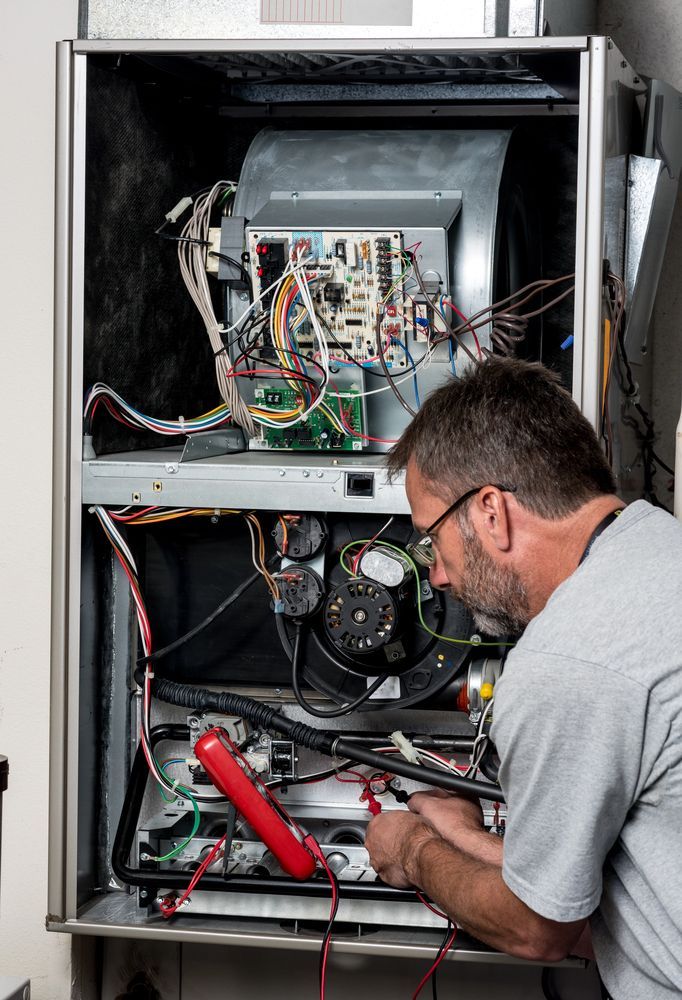
These signs do not automatically mean you need a new air conditioner. They can indicate that you may need an AC repair to find the underlying problem.
Do Calgary's Temperature Swings Affect AC Performance?
Yes. Calgary can move quickly from a hot afternoon to a much cooler evening. That means your air conditioner may work hard one day and barely run the next. These temperature changes are not usually harmful to a properly operating system, but they can make existing issues more noticeable.
For example, a system that is improperly sized may turn on and off too frequently instead of running steady cooling cycles. Thermostat problems, airflow restrictions, or aging components can also become easier to notice when cooling demand is constantly changing. If your home feels comfortable one day but struggles to cool the next under similar conditions, it may be worth having the system checked rather than assuming Calgary's weather is the only reason.
Wildfire Smoke and Dust Can Affect Your Air Filter
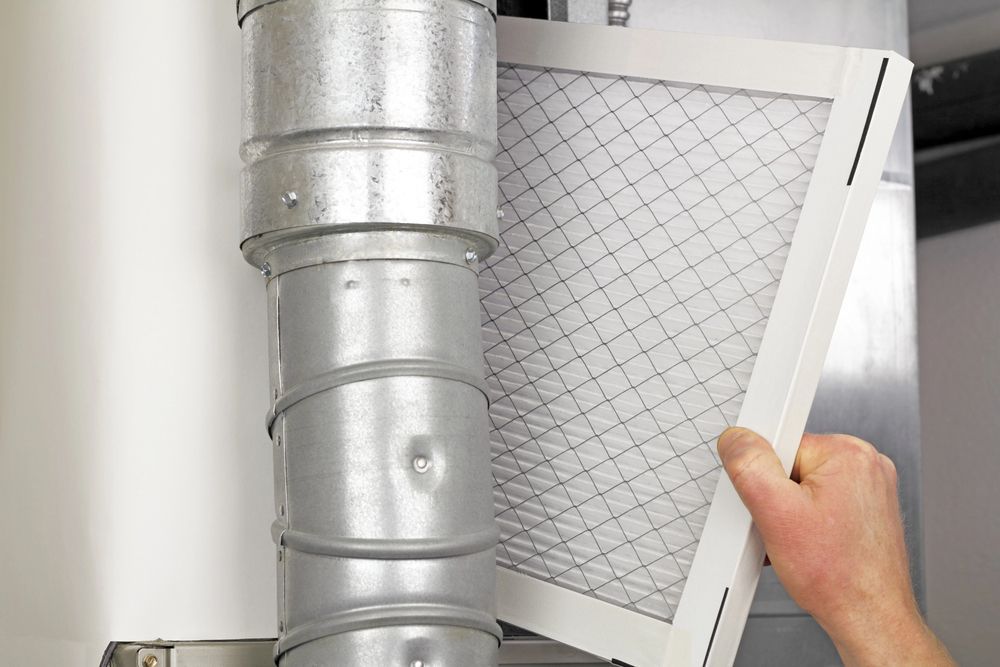
Calgary's air can sometimes carry large amounts of dust, pollen, and wildfire smoke. When that happens, your HVAC filter has more particles to capture. As the filter becomes loaded with debris, airflow through the system can become restricted. That can make it harder for your air conditioner to move cooled air through your home efficiently.
During smoky or especially dusty periods, it is a good idea to check your filter more often than you normally would. You do not necessarily need to follow one fixed replacement schedule all year. If the filter looks heavily loaded or airflow seems weaker than usual, it may need to be changed sooner. The right filter also matters. You want enough filtration to capture airborne particles without installing something that restricts airflow beyond what your HVAC system is designed to handle.
Spring Debris Can Build Up Around Your Outdoor AC Unit
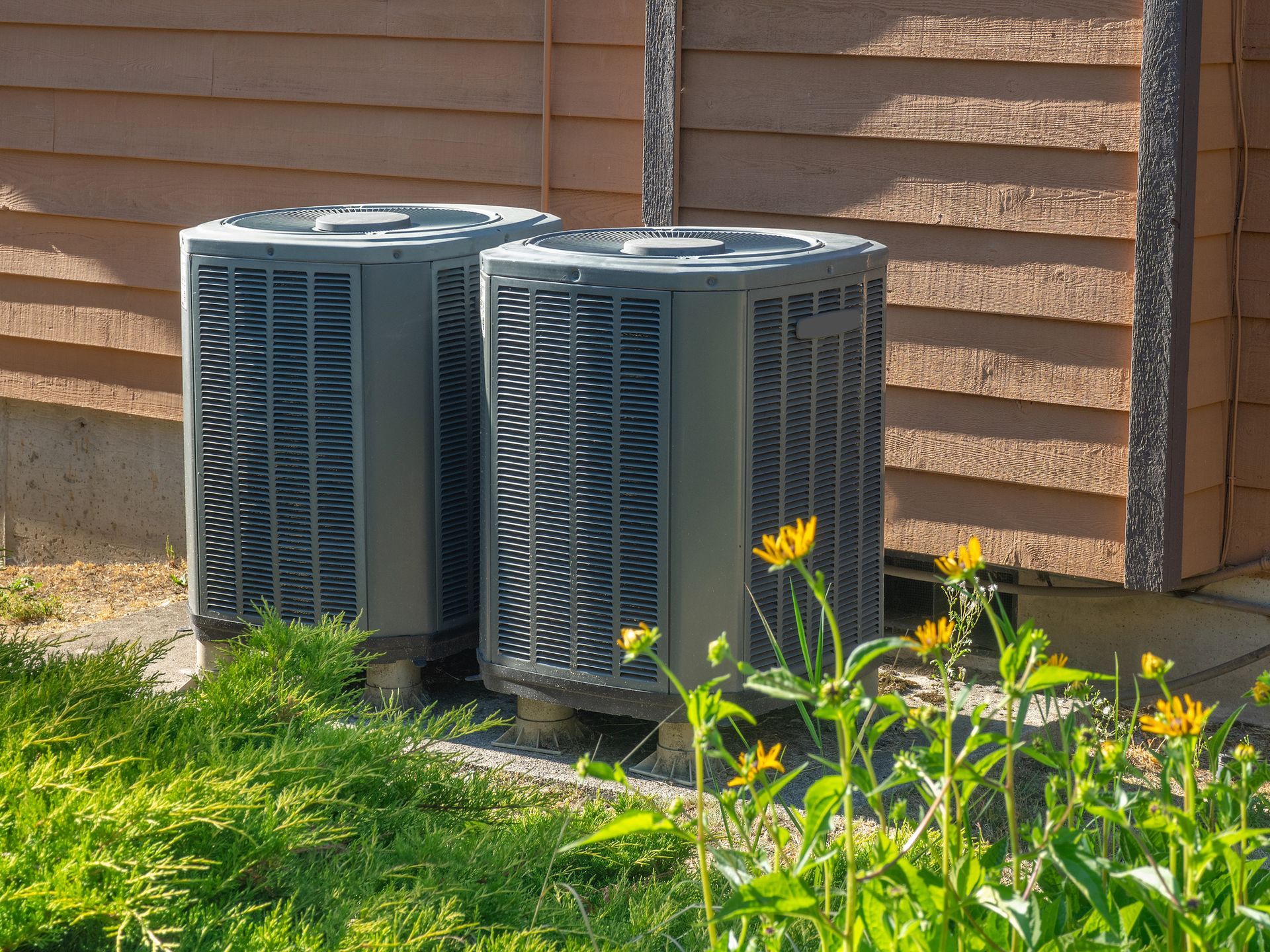
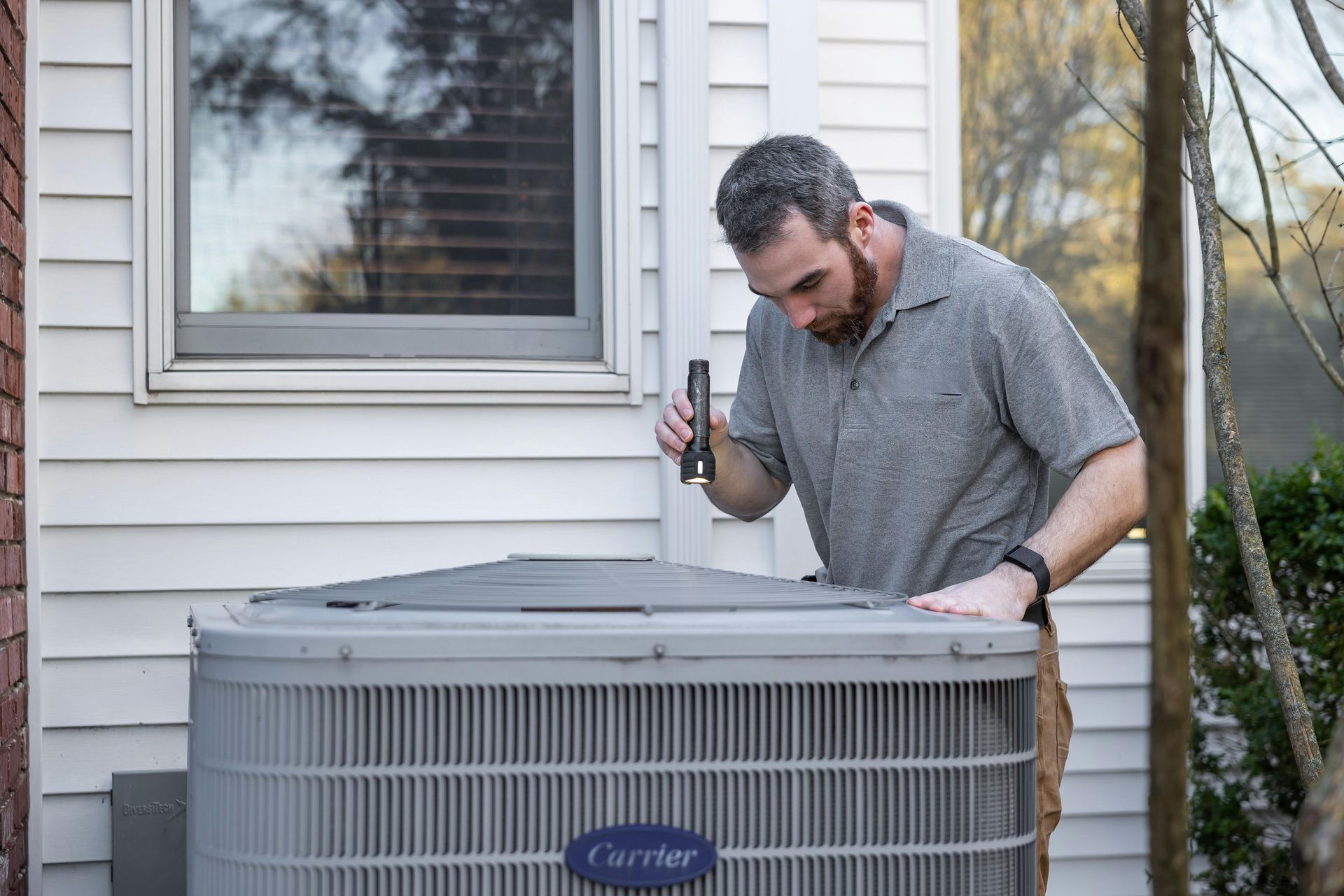
Your outdoor condenser needs steady airflow to release heat from inside your home. After a Calgary winter and spring, leaves, dirt, grass, seeds, and other debris can build up around the unit or against the condenser coil. If airflow becomes restricted, your system may need to work harder to remove heat. Before cooling season starts, take a quick look around the outdoor unit. Clear away loose leaves, weeds, and other debris, and make sure vegetation is not growing too close to the condenser.
You should avoid aggressively cleaning or taking apart the unit yourself. Bent fins, electrical components, refrigerant lines, and deeper coil buildup are better handled during professional maintenance. Having your air conditioner inspected in the spring can help make sure it is ready before Calgary's hotter weather arrives.
Can Hail Damage Your Air Conditioner?
Yes. Because your condenser sits outside, it is directly exposed to Calgary's summer storms. Hail can bend the thin metal fins surrounding the condenser coil. In more severe storms, it can also damage panels, fan components, or other parts of the outdoor unit.
A few cosmetic dents do not always affect performance. However, heavily bent fins can restrict airflow through the coil, making it harder for your system to dissipate heat. After a major hailstorm, it is worth checking your outdoor unit. If you notice obvious damage, new noises, weaker cooling, or a sudden change in performance, have the system inspected rather than trying to straighten fins or remove panels yourself.

How Can You Protect Your AC From Calgary Weather?
You do not need to do anything complicated. Most of the important steps come down to maintaining unrestricted airflow and catching problems before they worsen. Check your HVAC filter regularly, especially during wildfire smoke or dusty conditions. Keep the area around your outdoor condenser clear of weeds, leaves, and other debris. Pay attention to changes in airflow, cooling performance, noise, and how often the system runs.
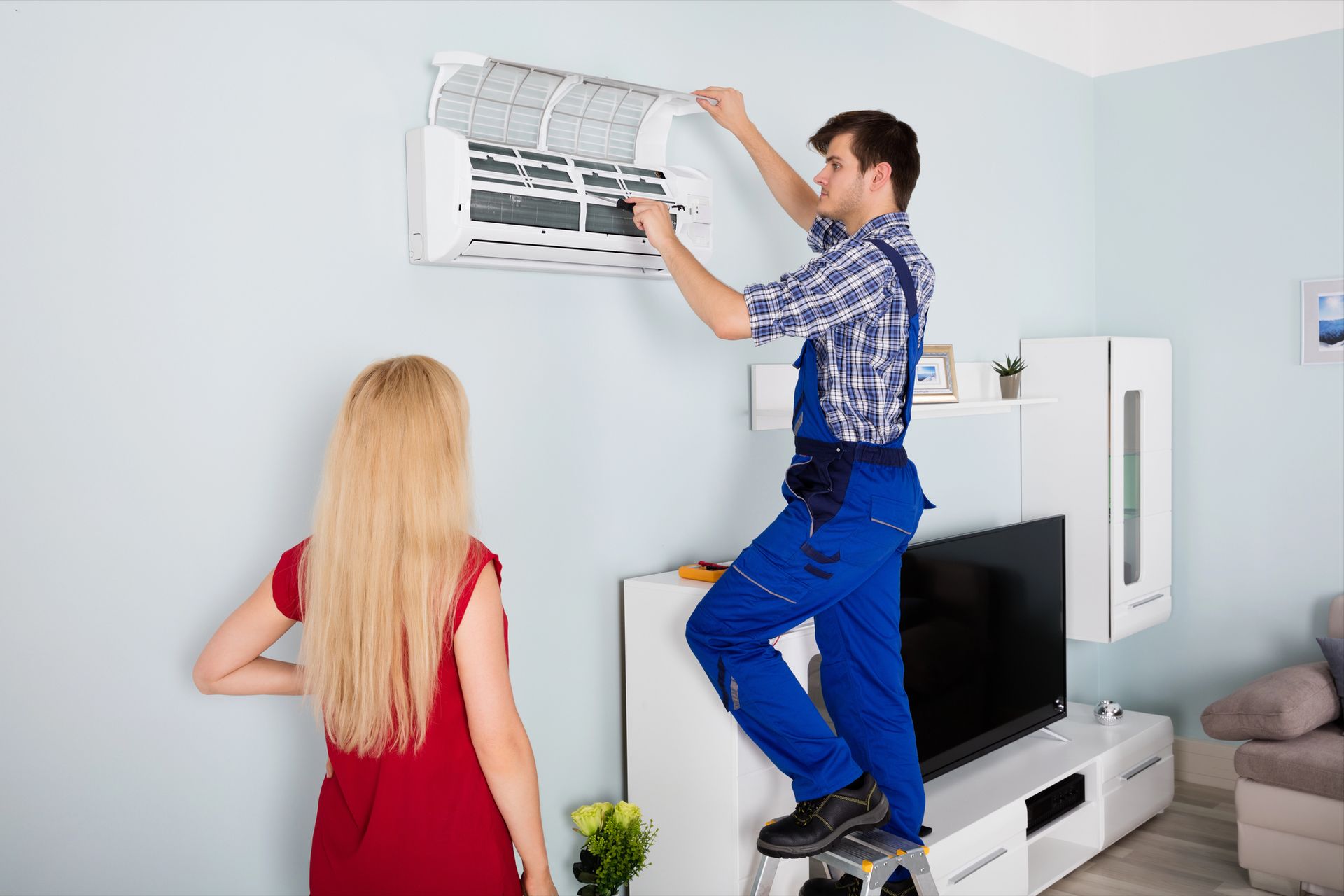
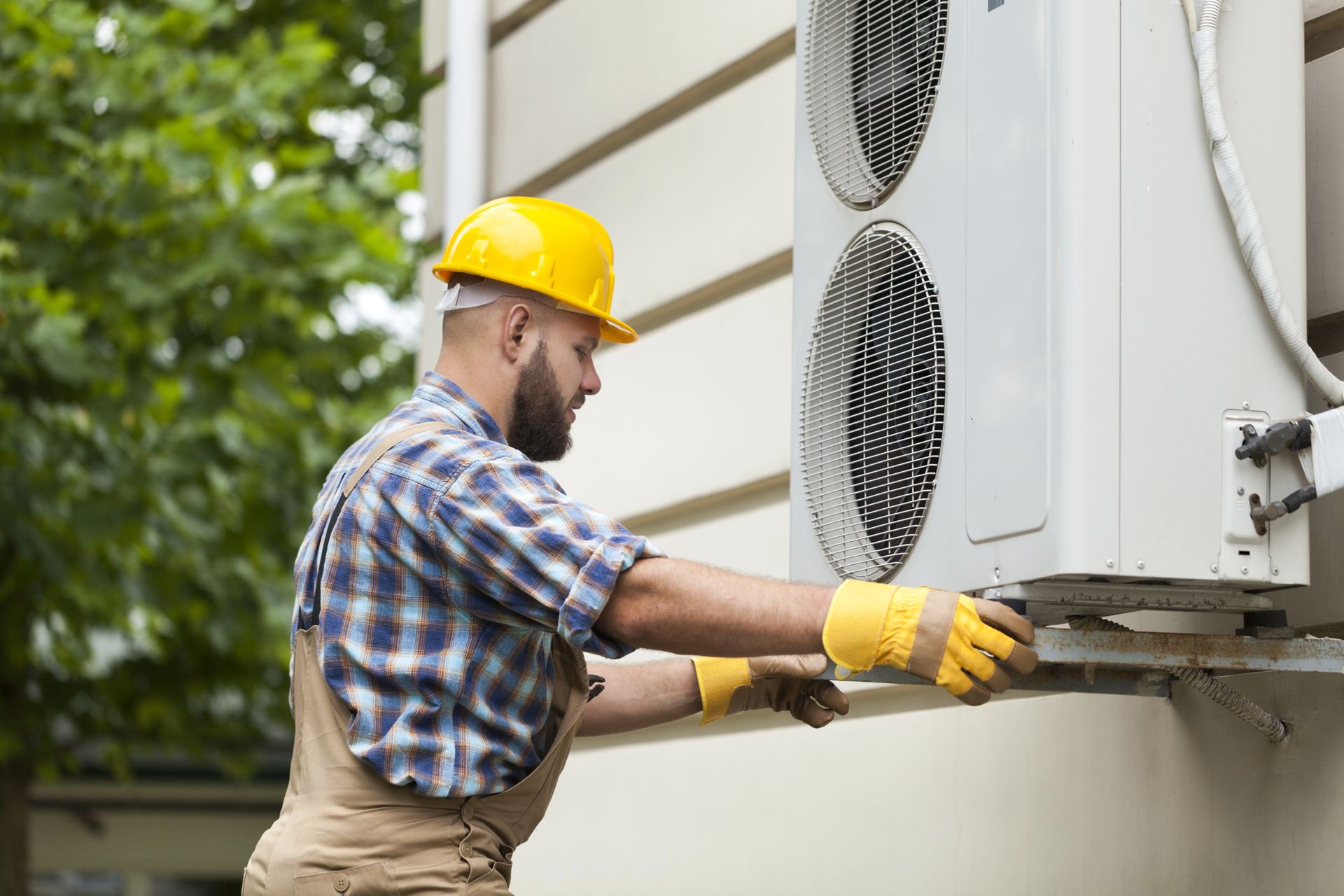
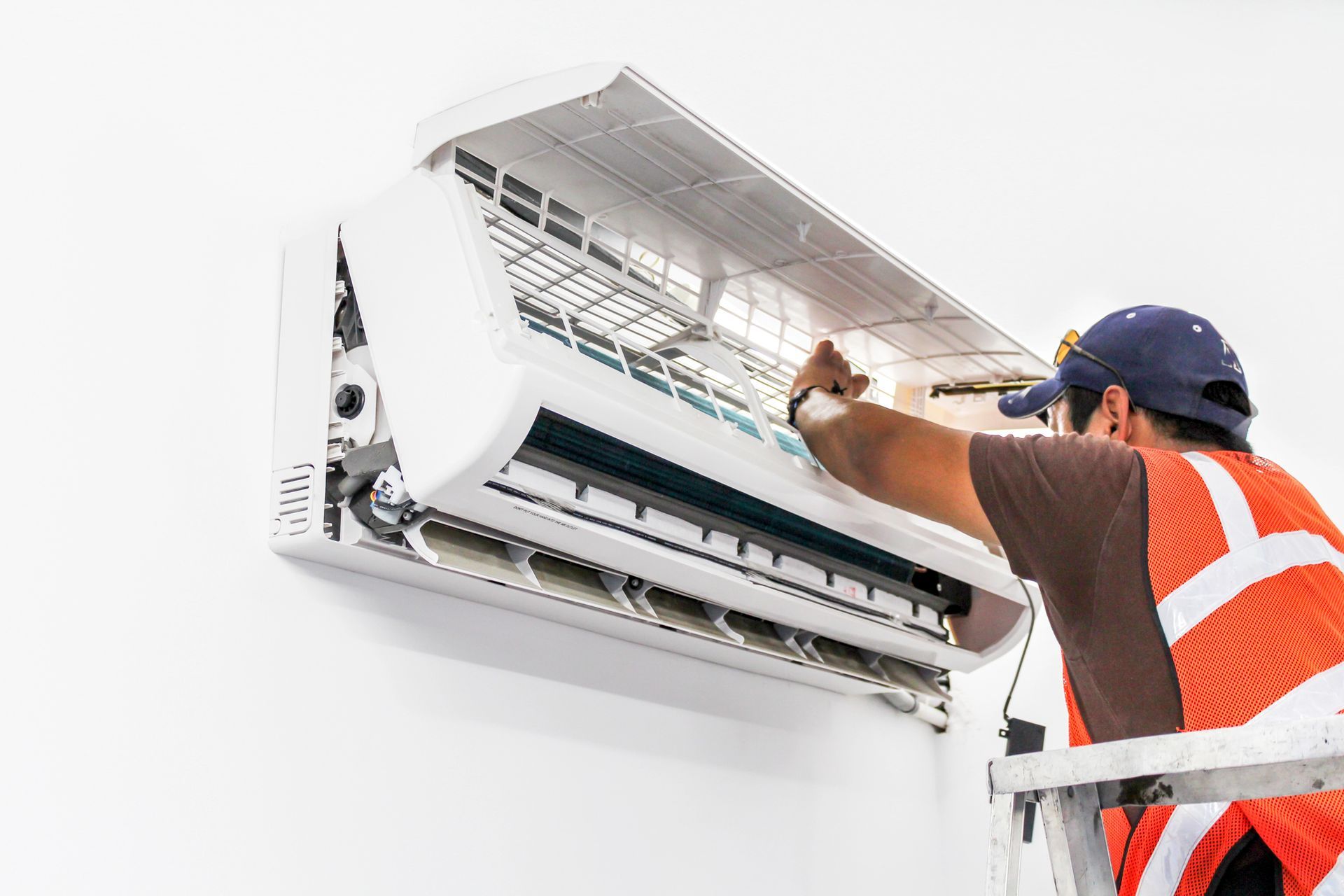
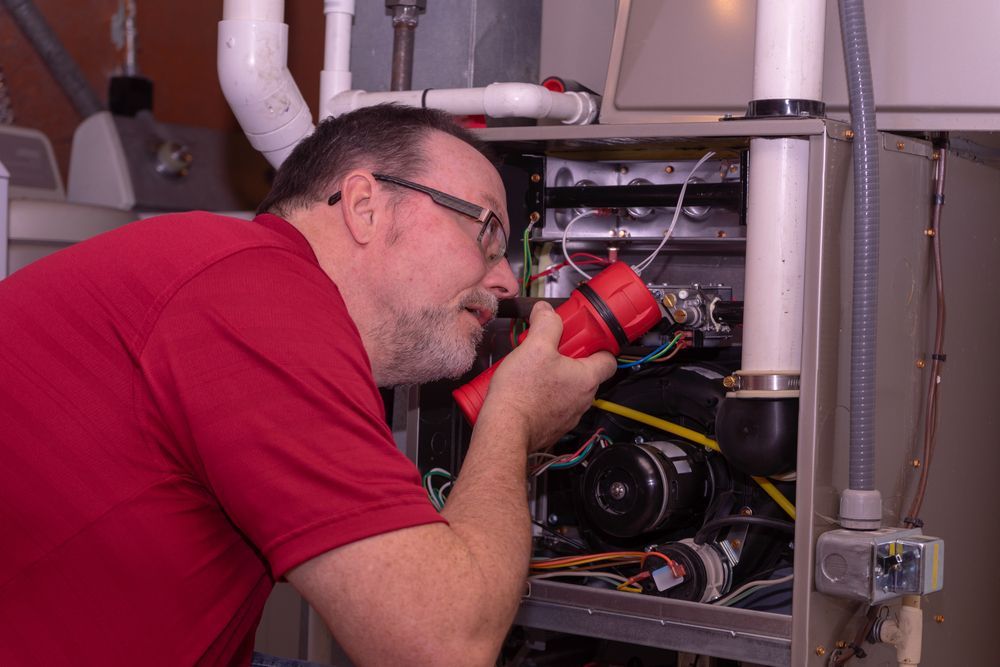
It is also a good idea to have your air conditioner professionally maintained before peak cooling season. Routine maintenance gives a technician a chance to inspect the equipment, check airflow, assess the coils and controls, and identify wear or developing issues before your system is working its hardest.
Keep Your Air Conditioner Ready for Calgary Summers
Calgary weather can be unpredictable, and your air conditioner has to adapt along with it. Hot stretches increase cooling demand. Smoke and dust can dirty your filter more quickly. Spring debris can restrict airflow around the condenser, and hail can cause physical damage to the outdoor equipment. You cannot control the weather, but you can make sure your system is in good condition before it has to deal with it.
Bow Valley Climate Management provides HVAC installation, maintenance, and AC repair in Calgary. If your air conditioner is struggling to keep your home comfortable or you want it checked before the next hot stretch, contact BVCM to schedule service.
Frequently Asked Questions
How often should I service my air conditioner in Calgary?
Once a year is a good rule of thumb for most systems. Spring is usually the best time because you can identify potential issues before your air conditioner is needed regularly during the summer.
Should I change my HVAC filter more often during wildfire smoke?
You may need to. Smoke and airborne particles can load your filter more quickly, so check it regularly during smoky conditions and replace it when it becomes visibly dirty or airflow is affected.
Can hail damage my outdoor AC unit?
Yes. Hail can bend condenser fins and damage exterior components. If you notice significant damage or your AC performs differently after a storm, have it inspected.
Why is my AC running constantly during hot Calgary weather?
Longer cooling cycles can be normal during very hot weather. If your system cannot reach the temperature on your thermostat, though, restricted airflow, dirty coils, equipment issues, or improper sizing could be contributing.
When should I book AC maintenance in Calgary?
Spring is usually the ideal time. It gives you a chance to have the system checked before sustained summer heat puts more demand on it.
Read More From BVCM